How to open a pop-up shop.
September 18, 2026
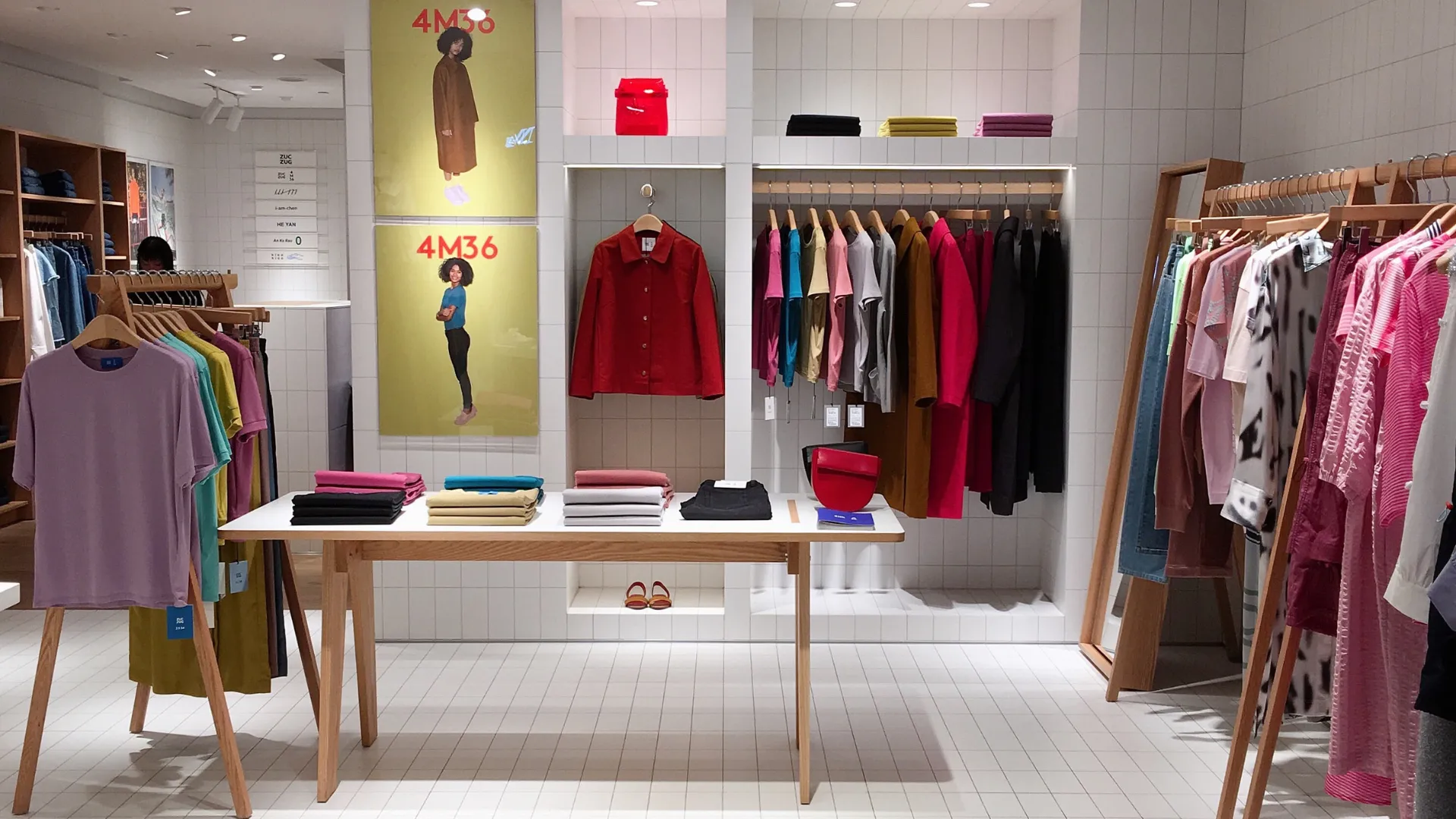
Thinking about opening a pop-up shop?
You’ve found your tribe. Welcome.
PopUp Shop Shop is South Africa’s original facilitator of short-term retail leasing and the only marketplace in S.A dedicated to connecting innovative brands with pop-up opportunities in the country’s leading shopping destinations.
With more than a decade of experience in this very particular retail niche, our team has helped hundreds of brands launch temporary stores in prime locations across the country. Along the way, we’ve learned that while every pop-up offers exciting opportunities, each requires strategic thinking and a clear tactical plan to be successful.
One of the biggest misconceptions about pop-up retail is that it’s ‘quick and easy’. While a short-term lease reduces long-term risk, landlords and shoppers still expect high-quality retail experiences. Pop-ups often operate under tighter timelines and leaner budgets, and the window to prove a concept is so much shorter than a standard long term lease duration.
That said, when approached correctly, pop-ups are one of the smartest ways for retail entrepreneurs to test new locations, introduce new products, and build brand awareness in a physical environment. Physical retail allows a level of engagement and feedback that is impossible to replicate online. We just can’t recommend it enough!
Here are five practical steps we recommend to guide your journey from concept to opening your pop-up’s doors:
Step 1: Define Your Objective
Start by identifying what success looks like for your pop-up shop.
Is your pop-up intended to:
- Drive direct sales
- Build brand awareness
- Test a new product range or retail concept
- Explore demand in a new city or neighbourhood
- Create an engaging customer experience
… All of the above? ...In which case, you need to prioritize
Your objective will influence nearly every decision that follows, from the location you choose to how you design the space and measure results. About measuring results, we suggest jotting down a score card that you can use to evaluate choice and decisions throughout the process of setting up a temporary shop.
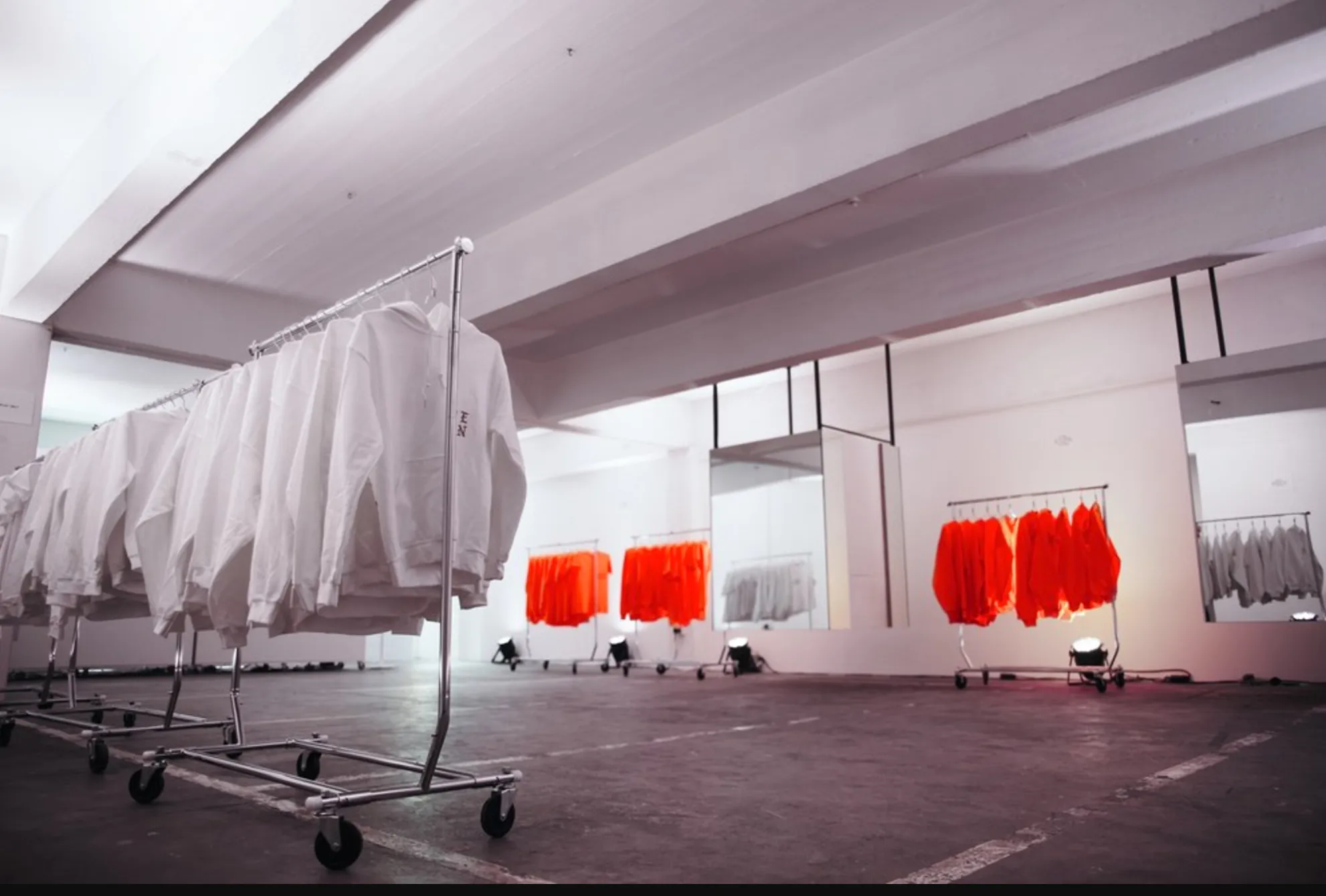
Step 2: Choose the Right Pop-Up Space
As you’ve likely heard by now, location is one of the most important variables in retail success. In South Africa, shopping centres remain powerful retail and community ecosystems, offering brands access to consistent foot traffic and established consumer trust.
When evaluating potential pop-up spaces, consider:
- Shopping centre positioning: Is this a premium environment, an everyday convenience, neighbourhood hub, a go to for family entertainment, or a lifestyle retail destination?
- Shop location within the mall: Look at the brands and tenants adjacent the store, and anchors in the particular node that drive foot traffic past the location. Is there resonance?
- Customer demographics: Does your brand align with a broad segment of the destination’s customer lifestyle, aspirations and spend, as well as their reasons for visiting?
The right space aligns with both your brand positioning and your pop-up objectives. It’s got to feel right for your stage of business.

Step 3: Build a Realistic Budget
A successful pop-up requires planning across several cost categories, and there’s much more to it than pop-up rentals alone!
Typical expenses to consider is short term leasing.
- Monthly Rental: In addition to rent (plus VAT), landlord charges may include property costs (such as rates and levies), contribution to communal services (water, waste, back-up generators) and marketing fees as additional line items billed monthly.
- Utilities: Your use of electricity, aircon, water is measured and billed accordingly.
- Deposit: Equal to 1 - 3 months rental, FICA dependent. We do our best to secure the friendliest deposit terms.
- PopUp Shop Shop Matching Fee: We charge pop-up brands a fee for our services - only on successful matches!
- Fit-out and display infrastructure: While landlords do offer leeway with pop-up fitout criteria, quality execution is essential, and expected.
- Staffing: It’s so important to hire the right people. Pay them well, and build a buffer into your financial modelling to incentivize sales. Get clear on the shopping centre’s trading hours, and remember to plan for festive trading hours, and public holidays.
- Stock and logistics: Plan wisely. You do not want to miss out on sales because you do not have the right stock on the shop floor!
- Marketing: Ensure that you have a focused marketing plan to let people know that you’re popping up! The more content you plan ahead, the easier it is to keep the momentum going.
While pop-ups reduce long-term risk, the initial setup investment still needs careful planning. Brands that prepare a clear budget framework are far more likely to execute professionally, with fewer stressful surprises, while generating meaningful results.
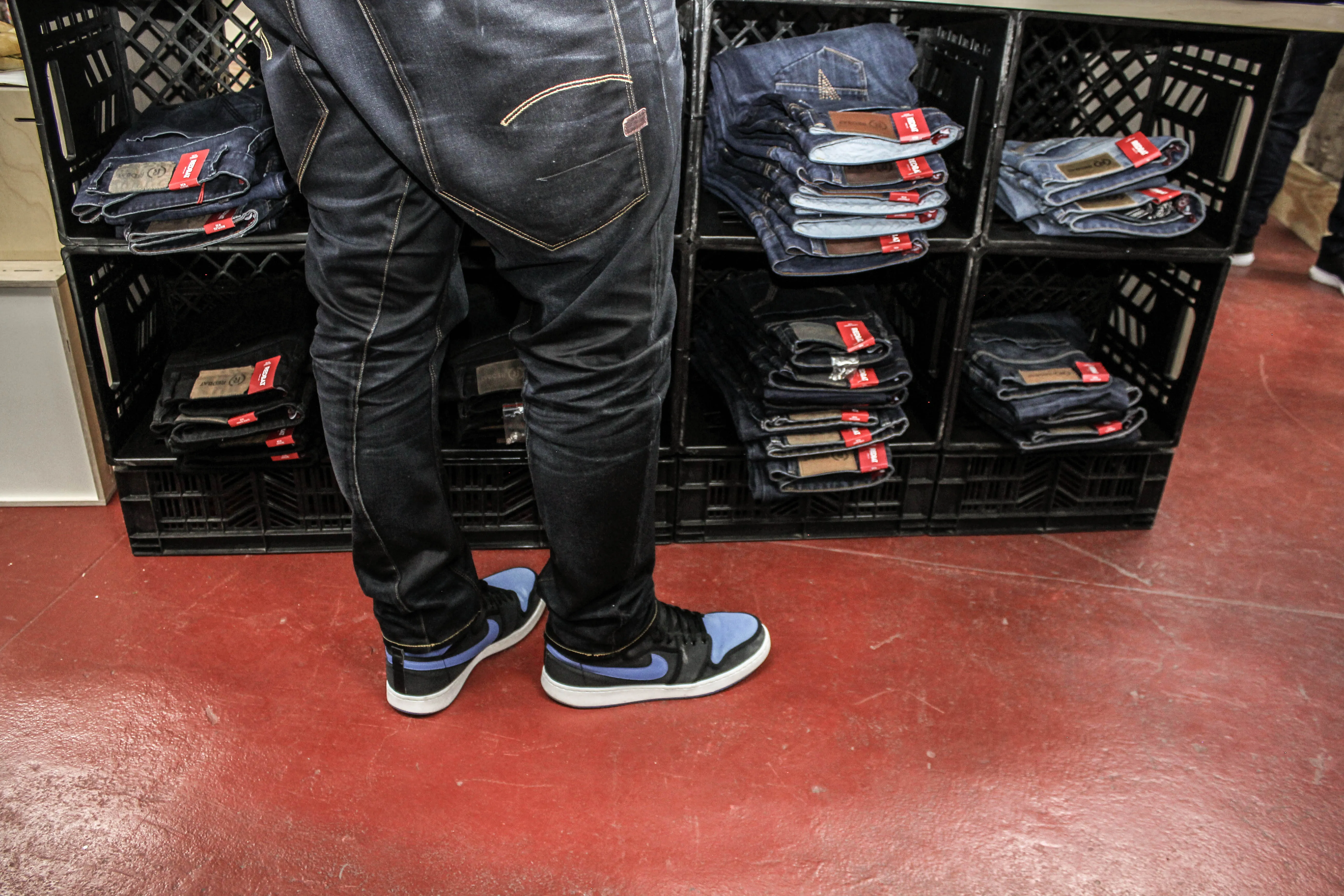
Step 4: Understand the Lease Basics
Pop-up leases are generally simpler than long-term retail leases, but there are still important details to understand.
Things to look out for:
- Short-term lease period (often 3- 12 months) and
- Beneficial occupation, a rent free period for your shopfitting and merchandising (this all depends, but typically 2 weeks, up to 1 month)
- Rental structure, and additional charges to the landlord’s lease.
- Operational requirements including trading hours
- Design criteria and any specifications, such as the kind of store signage allowed.
- Insurance and compliance requirements, including public liability for example.
At PopUp Shop Shop, we help brands navigate lease terms to ensure that the expectations between brand and landlord are clear from the start.

Step 5: Prepare Your Launch Checklist
Execution is where strong concepts either succeed or struggle. Honest truth is that ‘the list’ does not get shorter as the opening date approaches, quite the opposite.
Before opening day, ensure you have covered:
- Stock planning, pricing and prepping, including inventory management protocols
- Merchandising of products, in store design features and window displays
- Staff onboarding, time for training and schedules
- Point of sale and payment systems
- Branding and signage, as well as in-store communication points
- Social media and launch promotions
Even short-term stores benefit from a clear opening plan and a strong visual presence. In busy shopping centres, especially big ones, where your pop-up might be 1 of 400 stores, you need to do everything possible to make it easy for customers to find you.
Final Thought
Pop-up shops are an agile way for brands to step into the world of physical retail without committing upfront to a long-term lease. For many retail entrepreneurs, a short term lease is proving to be the perfect bridge between online success, building community and establishing permanent physical retail destinations. When approached strategically, a pop-up shop can deliver such valuable insights, strong sales, and meaningful brand exposure.
We can’t imagine approaching retail in South Africa in any other way than starting with a pop-up!
Start your retail journey with PopUp Shop Shop.
Designed and developed by Your Digital Assembly. PopUp Shop Shop @ 2026