How to Choose the Right Pop-Up Location
September 4, 2026
The one decision to get right
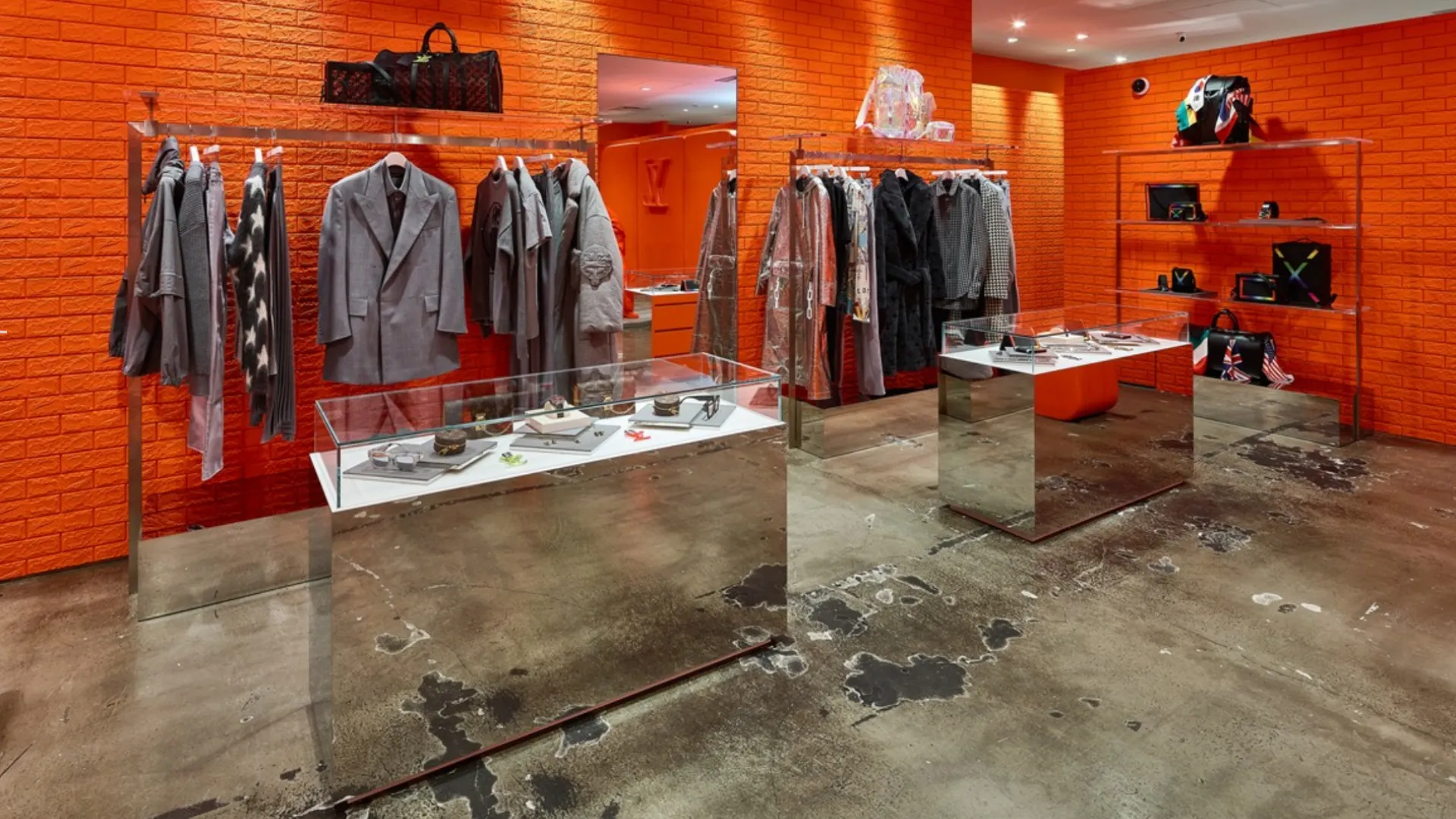
Location is the single most consequential decision you'll make when planning a pop-up. Get it right, and everything else - your product, your team, your marketing has a platform to perform. Get it wrong, and even a strong brand can underdeliver.
Globally, pop-ups have become a go-to strategy for brands that want to move fast and learn faster. In South Africa, they offer something especially valuable: access to high-footfall retail environments without the long-term commitment of a traditional lease.
Done well, a pop-up lets you test a location before signing anything long-term. A short-term lease let's you gather real trading data to inform long term lease negotiations, validate your product range in a live retail environment, generate revenue while building brand awareness, and adapt quickly based on what you learn.
But the window is short. And that's exactly why choosing the right space matters so much.
Step 1: Get clear on your objective
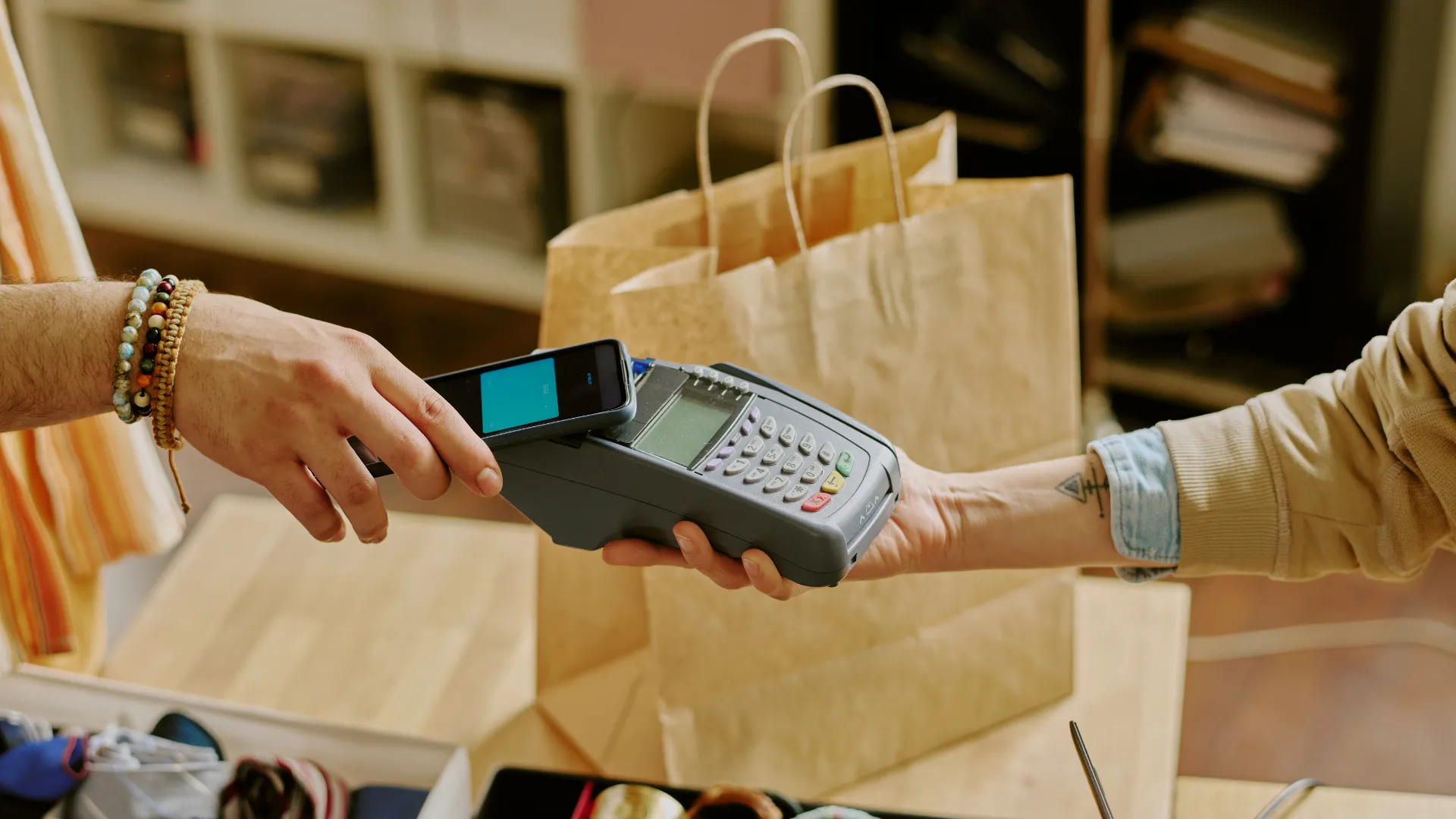
Before you start browsing spaces, know why you're popping up. Your objective shapes every decision that follows.
Are you driving sales (only)? Prioritise high foot traffic in centres that attract your target customer.
Focused on brand exposure? Think about visibility, audience alignment, and how you'll amplify the experience beyond the four walls.
Testing the market? Choose a location that reflects your ideal customer, and treat every in-store interaction as a data point.
A digitally native brand entering physical retail for the first time has different needs to an established brand launching a new product category. Getting clear on your objective is what separates a purposeful pop-up from an expensive experiment.
Step 2: Understand the shopping centre
South Africa has more than 2,000 shopping centres ranging from neighbourhood convenience centres to super regional shopping destinations. That's a significant choice, but it also is clear that not every centre is right for every brand (or shopper), and that testing locations is a smart approach to retail growth.
At PopUp Shop Shop, we evaluate each of our Property Partners and build up a detailed picture, and understanding of shopper demographics, trading data, and future developments. This means we can match brands to spaces that actually make sense - not just spaces that are available.
When you're evaluating a centre yourself, ask: who shops here, and why? What's their income profile and lifestyle? Do they visit for convenience, fashion, entertainment, or something more specific? And when is the centre busiest - weekdays, weekends, or both?
Shopping centres in South Africa remain important community hubs. Understanding how people use a specific centre will tell you a great deal about whether your brand belongs there.
Step 3: Location in the mall matters
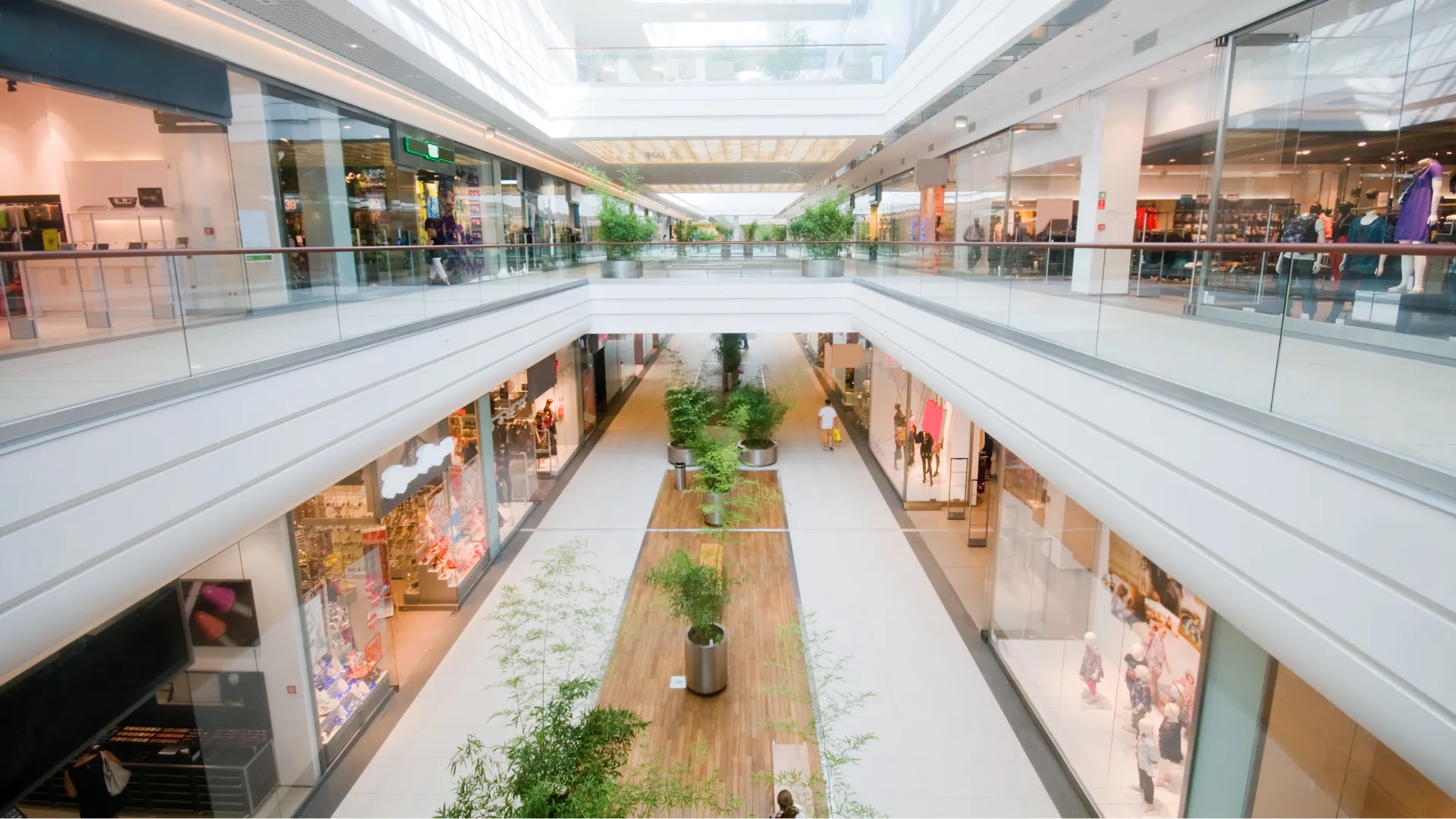
Even in the busiest mall, your performance will vary significantly depending on where you're located. Passing trade - and their intentions - is everything in a short-term lease as there's little time to wait for word to spread.
Look for visibility along main walkways or natural gathering points. Consider proximity to anchor tenants or stores that attract a similar customer. Pay attention to foot traffic flow: where people enter, where they pause, where they're most likely to stop and engage.

Step 4: Crowd spotting
People-watching isn't just enjoyable, it's genuinely useful research (and possibly our favourite kind).
Find a comfortable spot near the space you're considering and spend some time observing.
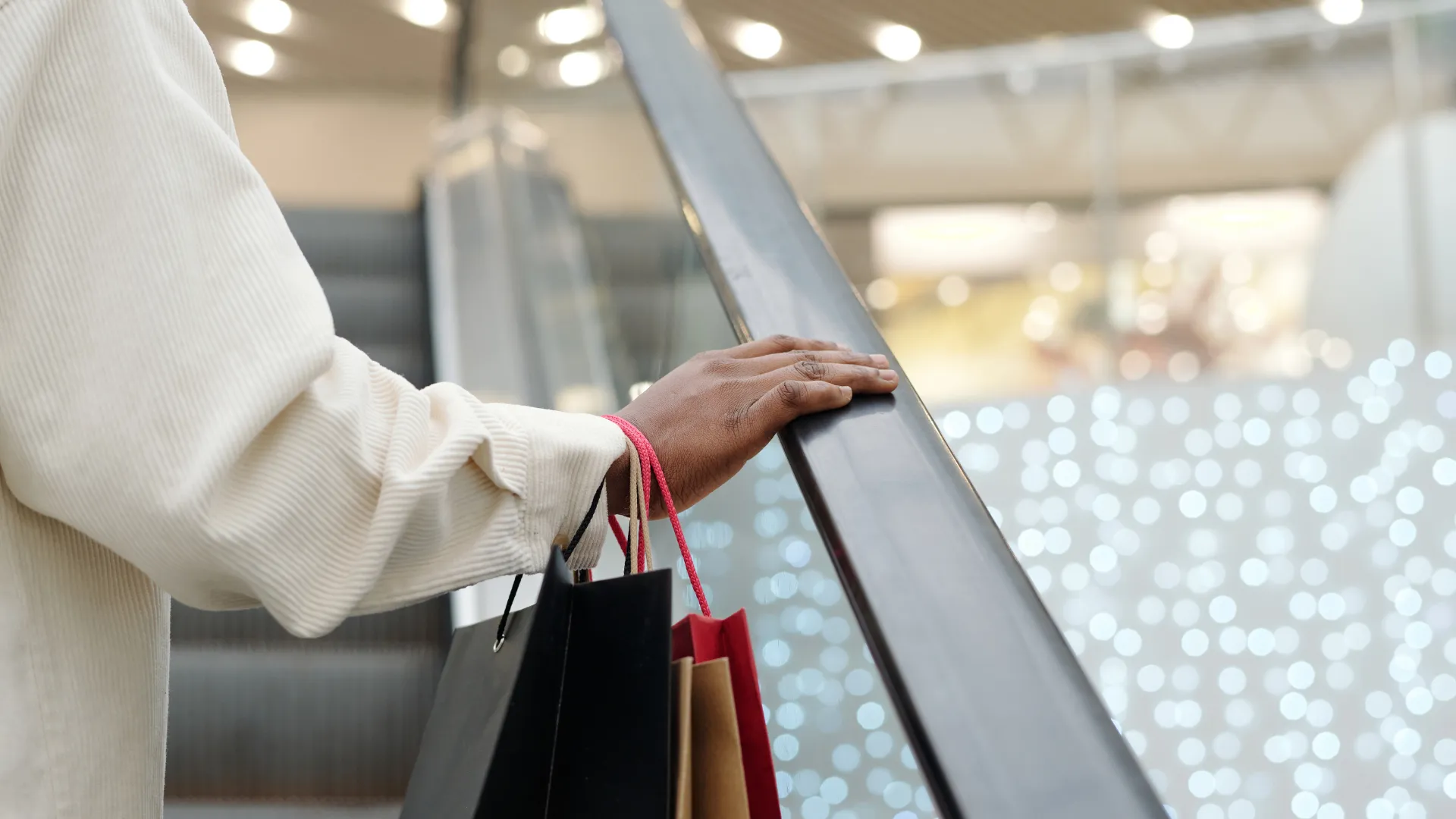
- What retailers’ shopper bags are passersby carrying? That gives you a strong read on their spending habits.
- Are shoppers moving in groups, and if so, who's making the decisions?
- Are they buying, or browsing for inspiration?
Notice what stops people in their tracks. If a nearby window display keeps slowing foot traffic, take note of what it's doing and ask yourself how your pop-up will create the same pull.
In a busy mall environment, capturing attention without saying a word is one of your most important design challenges.
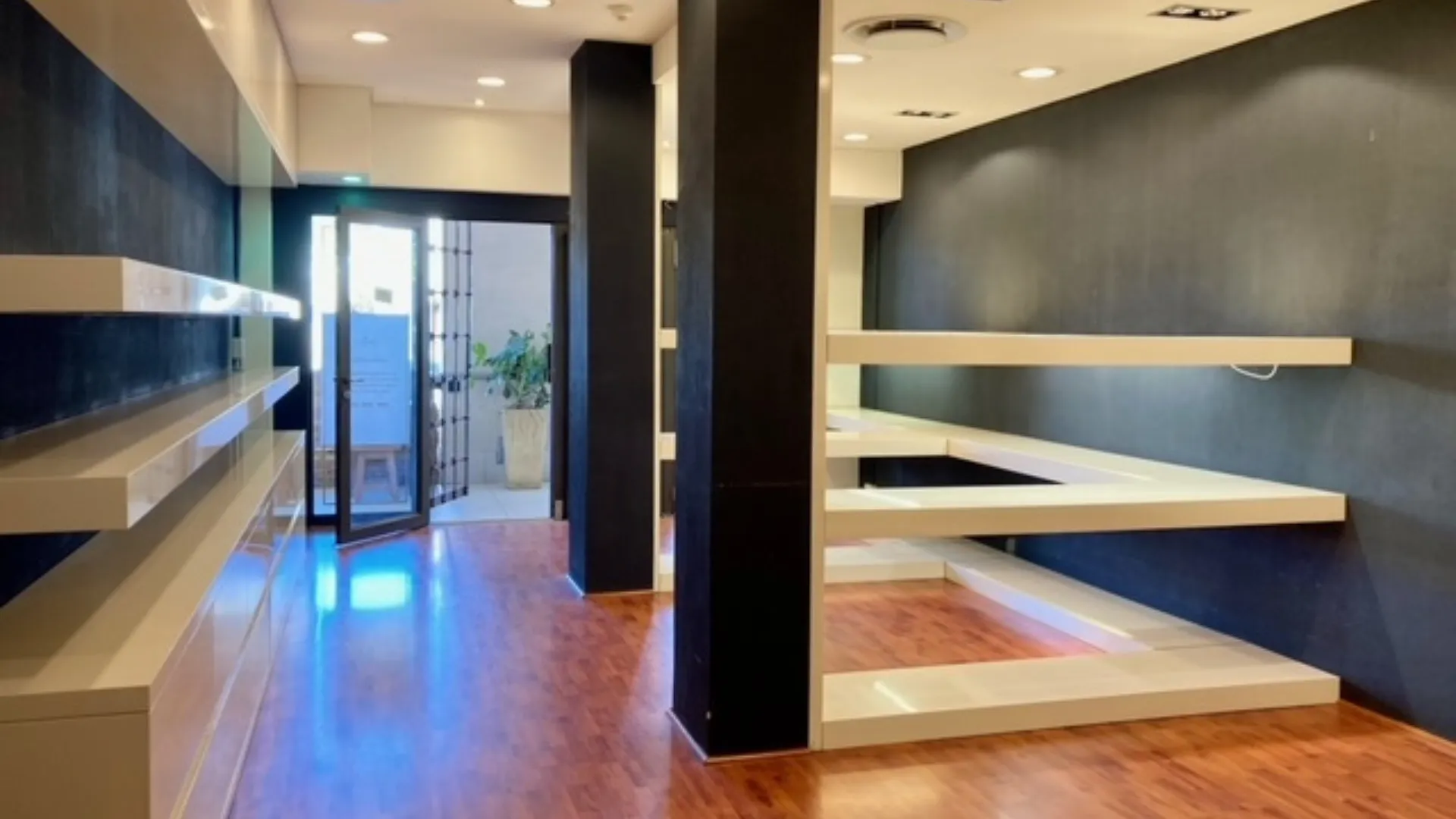
Step 5: The space you're working with
Vacant retail spaces for pop-ups come in very different conditions. Knowing what you're walking into will help you budget accurately and avoid surprises.
- A grey box is an empty shell: no ceiling, no lighting, no air conditioning, no flooring. Everything needs to be factored into your fit-out budget, and some landlords will require architectural drawings and council submissions before finalising your lease.
- A white box is more ready-to-trade: ceilings, lighting, white walls, and sometimes flooring are already in place.
- An equipped store may include retained fittings such as rails, shelving, or a fitting room that you can adapt to suit your brand.
- Kiosks are another option: available in various shapes and sizes, sometimes provided as a unit, sometimes as floor space only.
Each format has trade-offs. Be honest about what your brand needs and what your budget can support.
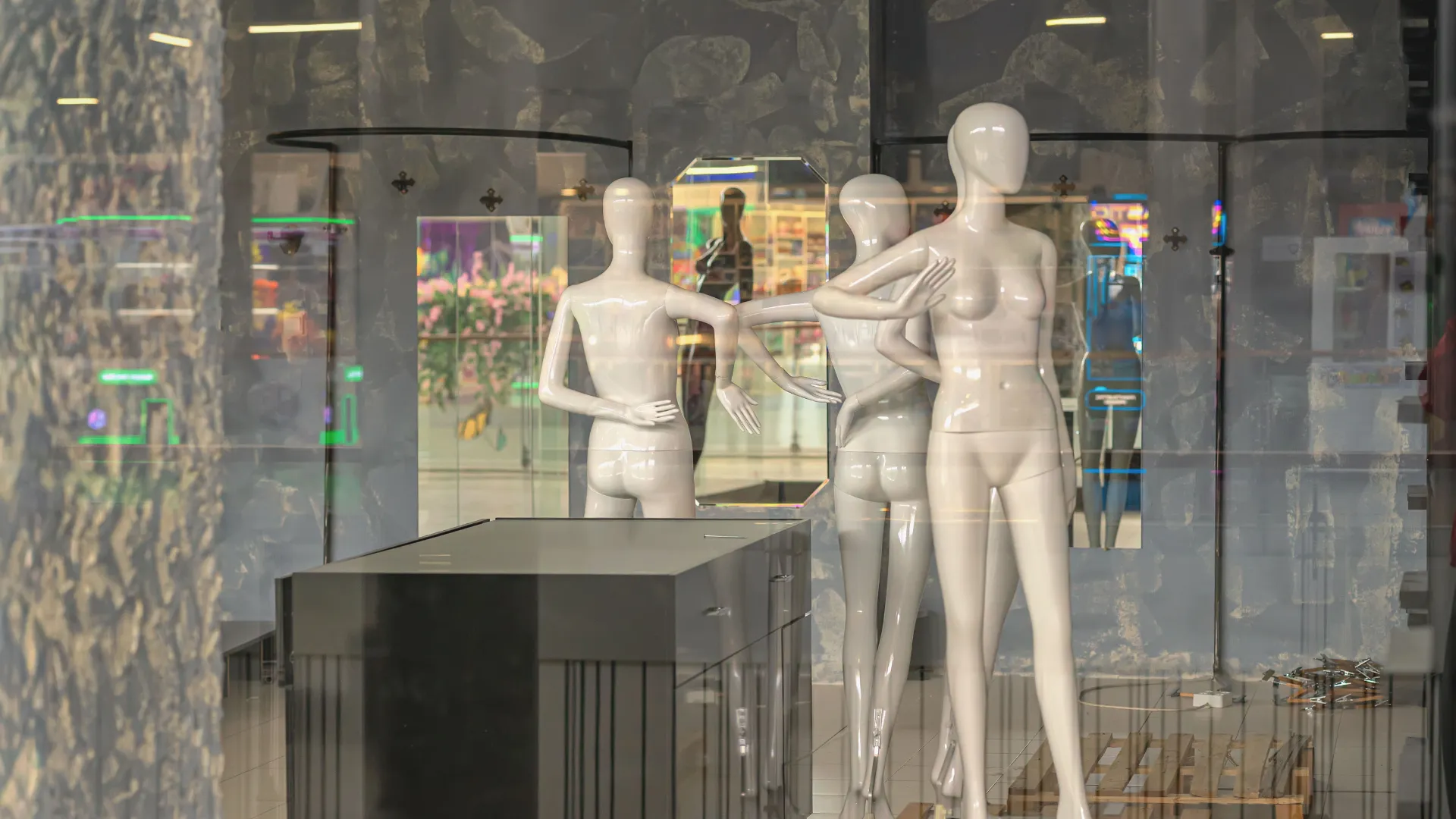
Step 6: Budget for the full picture
Your rental is just one line item. A successful pop-up requires clear-eyed budgeting across several areas.
Rent will vary depending on the centre's tier, the size of the space, the reason for the vacancy, and the length of your lease.
Fit-out should reflect your brand. Modular and adaptable shop fittings are ideal for short-term retail, allowing you to test and iterate without major expense.
Staffing is arguably your most important investment: an excellent team will do more for your pop-up than any display or promotion.
And marketing still matters - even in a high footfall shopping centre. A strong location gives you reach, but intentional marketing gives you relevance.
The right space supports your objective, reflects your brand, and puts you in front of the right customer. It's the decision everything else builds on, so choose well.
Start your retail journey with PopUp Shop Shop.
Designed and developed by Your Digital Assembly. PopUp Shop Shop @ 2026